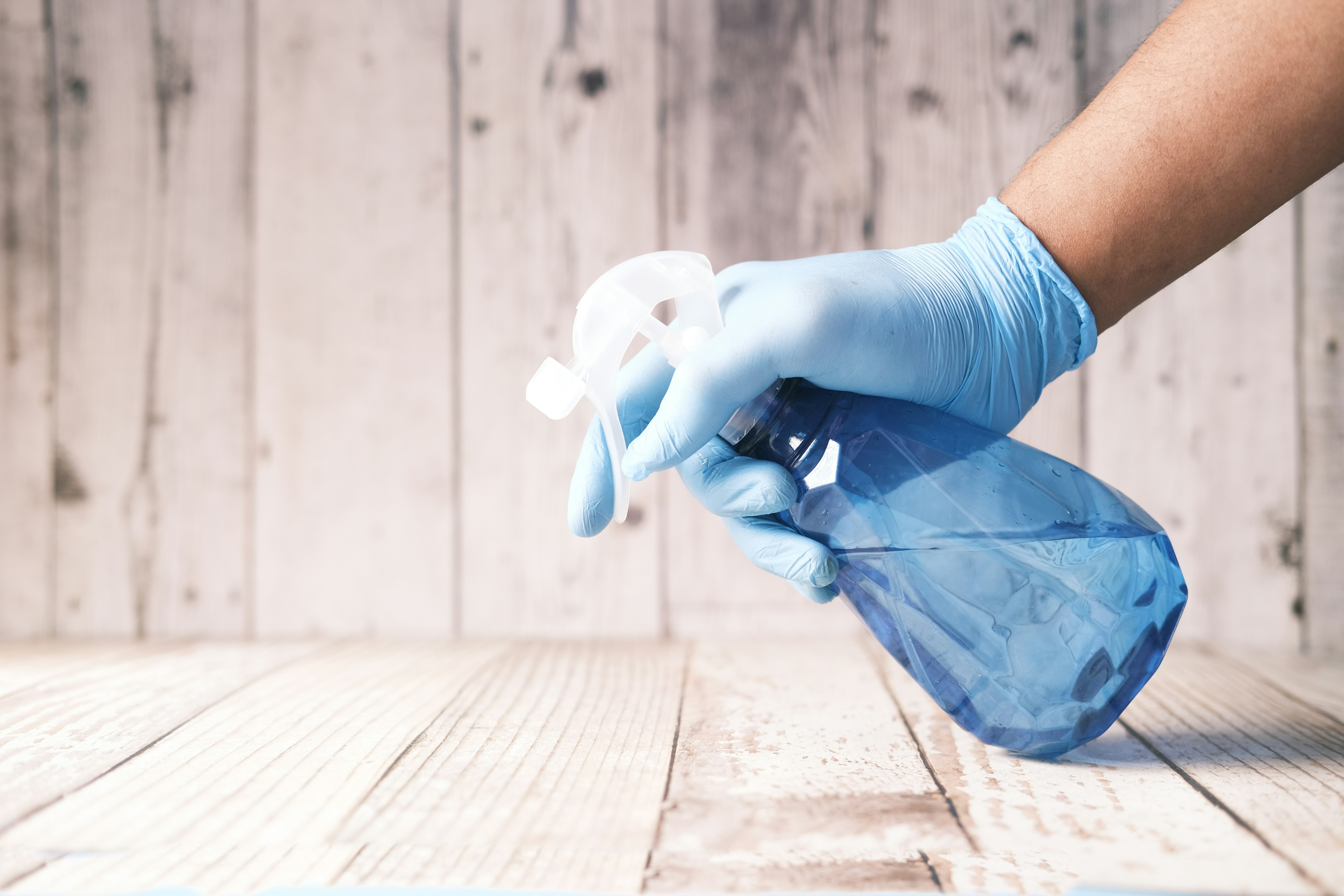
 Whether you rent or own, keeping your home looking pristine isn’t just about cleaning frequently—it’s about cleaning correctly. Every surface has its own needs, vulnerabilities, and long-term maintenance requirements. Using the wrong product or technique can leave permanent damage, dullness, or stains that are costly to repair.
This guide breaks down exactly how to care for the most common household surfaces, including what you should and shouldn’t do to keep them looking their best for years.
Marble
Marble is one of the most elegant—and most sensitive—materials in a home. It is porous and highly reactive to acids, so proper care is essential.
Do:
- Clean with a pH-neutral cleaner (neither too acidic nor too alkaline—vinegar or lemon is too acidic, and ammonia or bleach is too alkaline), or mild dish soap. Acidic or harsh cleaners can etch the surface and create dull spots.
- Wipe spills immediately (coffee, wine, citrus, and oils can stain or chemically etch the stone within minutes).
- Reseal every 6–12 months. A good sealer fills pores and prevents stains, but needs regular renewal. If you rent, discuss this with your landlord first if you think marble needs re-sealing.
Don’t:
- Avoid vinegar, lemon, bleach, or abrasives—these can permanently damage marble’s finish.
- Don’t place hot pans or wet glasses directly on the surface. Heat can cause stress cracks, and condensation rings can etch.
Granite
Granite is strong and less sensitive than marble, but still porous and dependent on proper sealing.
Do:
- Clean with mild soap or granite-safe products to maintain the protective sealant and keep the stone glossy.
- Reseal as needed—usually once a year. If water no longer beads on the surface, the seal is worn.
- Use cutting boards and trivets—knives can chip granite, and extreme heat may crack it.
Don’t:
- Avoid acidic or abrasive cleaners—they can dull the surface and weaken the seal.
- Don’t leave oils, wine, juice, or coffee sitting. These can seep into pores and stain.
Quartz
Quartz is engineered stone—non-porous and easy to care for—but the resin binders react poorly to heat and harsh chemicals.
Do:
- Wipe down with mild soap and water. Quartz doesn’t need specialty cleaners for everyday care.
- Use trivets under hot cookware. Although the stone is heat-resistant, the resin can scorch.
- Clean spills soon after they happen—strong dyes and oils can cause temporary staining.
Don’t:
- Avoid abrasive pads or strong chemical cleaners—these can scratch or discolor the resin surface.
- Never put hot pots directly on quartz. Heat damage is one of the few things that can’t be repaired.
- Don’t use bleach, oven cleaner, or high-pH compounds—these can break down the resin and cause fading.
Common Tiles (Porcelain/Ceramic)
Tiles are durable, but grout is porous and easily damaged by harsh cleaners.
Do:
- Clean tiles with mild detergent or tile-safe cleaner to keep the glaze intact and prevent streaking.
- Sweep and vacuum regularly—dirt can scratch polished tile surfaces over time.
- Scrub grout gently with a soft brush to lift stains without damaging the grout structure.
Don’t:
- Avoid wax or oil-based cleaners—they leave a residue that attracts dirt and becomes slippery.
- Limit the use of strong acidic grout cleaners—acid can dissolve or weaken grout if used too often.
- Don’t let water sit in grout lines—standing moisture leads to dark staining, mold, and cracking.
Glazed Tubs
Glazed tubs have a smooth, glass-like finish that’s durable but easy to scratch if cleaned incorrectly.
Do:
- Use gentle bathroom cleaners or a baking soda paste to remove grime without wearing down the coating.
- Rinse the tub after each use—soap residue and minerals dull the finish over time.
- Choose non-slip mats designed for glazed surfaces—some suction-cup mats can scratch or wear areas of the glaze.
Don’t:
- Avoid steel wool or abrasive powders—these create permanent scratches that trap dirt.
- Be cautious with acid-based drain cleaners—splashing can damage or discolor the glaze.
- Don’t drop heavy objects—a single chip can expose metal and cause rust.
Hardwood Floors
Hardwood is durable, warm, and beautiful—but it’s vulnerable to moisture and scratching.
Do:
- Sweep or vacuum regularly—grit and sand act like sandpaper on the finish.
- Use hardwood-safe, pH-neutral cleaners.
- Add felt pads under furniture—chairs and tables can easily scratch wood when moved.
- Use blinds/curtains during strong daylight and occasionally shift rugs/furniture to keep the color even and prevent sun fading (hardwood can lighten or darken with sunlight).
- Use humidifiers in winter and dehumidifiers in humid summers if needed. Wood expands in humidity and contracts when air is dry. Aim for 35–55% humidity indoors.
Don’t:
- Never wet-mop or allow standing water—moisture causes swelling, warping, or cupping.
- Avoid steam cleaners, ammonia, and abrasive scrubbers—they weaken or remove the protective finish.
General Tip:
Always read product labels to ensure you’re using them for the surfaces they are intended for and follow manufacturer’s cleaning instructions.